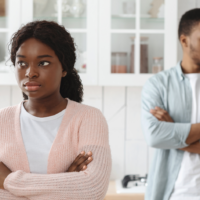

Conflict is a natural part of every relationship. Even couples who feel deeply connected will experience disagreements from time to time. What separates thriving relationships from struggling ones is not whether conflict happens, but how partners handle conflict when emotions run high.
According to research from the Gottman Institute, happy couples actually experience the same amount of conflict as couples who struggle.
As relationship expert Gal Szekely, director of The Couples Center, explains:
“Couples who are happy together have the same amount of fights as couples who are not. It’s not how many fights you have with your partner—it’s the quality of those fights that matters.”
In other words, the key to a healthy relationship is not avoiding disagreements—it’s developing strong conflict resolution skills and learning how to navigate those moments with empathy and mutual respect.
If conflict keeps pulling you and your partner apart, the right tools can help you move back toward connection. Reach out to us today for help.
Many couples assume that a strong relationship means rarely arguing. But in reality, conflict in a relationship is normal and often unavoidable.
Differences in personality traits, beliefs, cultural backgrounds, and life experiences can all lead to disagreements. These differences are not inherently harmful. In fact, healthy conflict can create opportunities for deeper understanding between partners.
Problems arise when conflict is handled through poor communication, such as:
- Name-calling or criticism
- Blaming or defensiveness
- Ignoring the partner’s perspective
- Escalating heated arguments
These behaviors can create communication breakdowns, leaving partners feeling hurt, misunderstood, or emotionally disconnected.
Over time, unresolved conflict can lead to stress, resentment, and deeper relationship problems. Research even shows that chronic relationship conflict can negatively impact physical and emotional well-being.
But couples who maintain strong relationships approach disagreements differently.
One of the most important differences in healthy conflict is where couples place their focus.
Gal often shares a guiding principle when teaching couples how to manage conflict:
“Make your connection as important as the issue—or sometimes even more important than the issue.”
When conflict arises, many partners become focused on proving their point or winning the argument. But couples who successfully navigate disagreements understand that protecting the emotional connection matters more than being right.
Instead of escalating the conversation, they pause and pay attention to how their partner is responding.
They may ask open-ended questions such as:
- “Can you help me understand your perspective?”
- “What about this situation is frustrating for you?”
- “What are you feeling right now?”
This type of open communication helps partners see the deeper emotional meaning behind the disagreement.
A key component of effective conflict resolution is active listening—giving your partner your full attention and trying to understand their experience.
This means putting aside distractions, maintaining eye contact, and listening without interrupting or preparing a counterargument.
Gal emphasizes the importance of staying curious about your partner’s perspective during disagreements:
“Good communication when you’re in conflict is an opportunity to actually learn about the other person. Tell me more. Why do you feel this way? Why is this so important to you?”
When partners feel heard and understood, the conversation becomes less defensive and more collaborative. Active listening fosters mutual respect, which is crucial for resolving conflict in a healthy way.
Another difference between thriving couples and struggling ones is the willingness to take responsibility for their behavior during conflict.
When emotions run high, it’s easy to become defensive or say things that hurt your partner. But healthy couples recognize when this happens and repair the conversation.
Gal explains:
“The point is not whether you were right or not. If you escalated, if you were defensive in some way, then what you did may have hurt your partner.”
Instead of focusing on winning the argument, they acknowledge their role in the conflict.
Simple statements like these can make a huge difference:
- “I’m sorry I got defensive.”
- “I didn’t communicate that in a helpful way.”
- “Can we try this conversation again?”
Taking responsibility shows empathy and helps restore emotional safety in the relationship.
Couples who maintain strong, resilient relationships understand that conflict can actually strengthen their connection when handled constructively.
Rather than avoiding difficult conversations, they face disagreements head-on with curiosity and compassion.
Conflict becomes an opportunity to:
- Understand each other’s emotional needs
- Learn about each other’s perspectives
- Improve communication skills
- Build a deeper sense of trust
When partners remain open-minded and respectful during disagreements, they create space for peaceful resolutions and long-term growth.
Sometimes, relationship conflict becomes repetitive or overwhelming. When unresolved issues continue to surface, outside guidance can be helpful.
Working with a couples therapist or attending a relationship workshop can provide a neutral third party who helps partners:
- Improve conflict management skills
- Identify underlying issues driving disagreements
- Strengthen communication and emotional connection
Professional support can help couples break negative patterns and develop healthier ways to navigate disagreements.
Conflict is not the enemy of a healthy relationship. In fact, disagreements can become powerful opportunities for connection when handled with empathy, respect, and openness.
Happy couples understand that conflict is not about winning an argument—it’s about understanding each other better.
By practicing active listening, taking responsibility, and prioritizing connection, partners can turn conflict into a path toward deeper understanding and a stronger relationship.
Support from an experienced therapist can help partners break negative conflict patterns and communicate with more clarity. Contact The Couples Center today.